
Engagement Rings
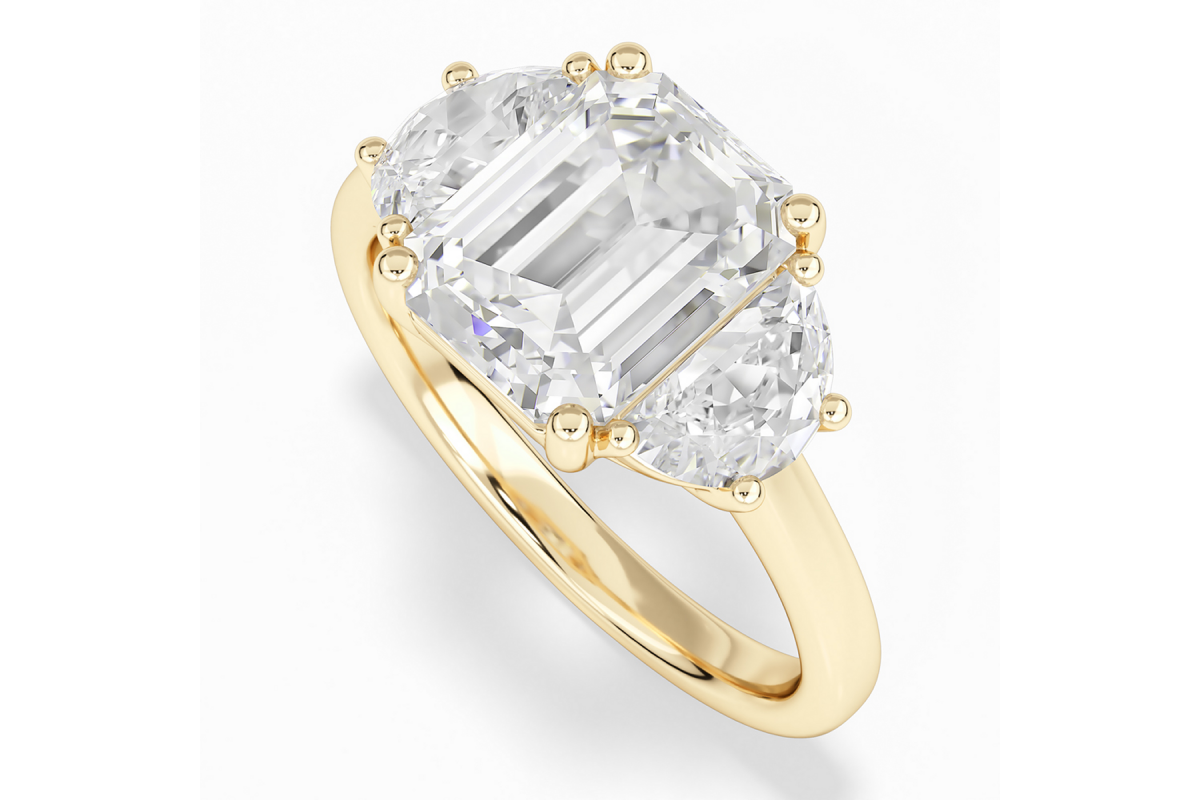
Finding the right engagement ring is one of the most meaningful parts of planning a proposal. At Diamonds Rock, we help couples throughout Cincinnati explore beautiful engagement rings, compare diamond options, understand different settings, and choose a ring that feels personal. Whether you are looking for a classic solitaire, a sparkling halo, an oval diamond, a vintage-inspired design, or a custom engagement ring created from the ground up, our goal is to make the experience exciting, comfortable, and easy to understand.
Every couple has a different story, style, and budget. That is why we believe the best engagement ring is not simply the biggest or most expensive option. It is the ring that fits the person who will wear it, reflects the relationship behind it, and gives you confidence when it is time to ask one of life’s biggest questions.
Diamonds Rock offers personalized guidance for customers searching for engagement rings in Cincinnati. Instead of leaving you to sort through endless choices on your own, we help you compare diamond shapes, setting styles, metals, and design details so you can make an informed decision without feeling pressured.
Shop by Style
Shop by Cut/Shape
Frequently Asked Questions About Engagment Rings
Find Your Engagement Ring at Diamonds Rock
Choosing an engagement ring should feel exciting, personal, and memorable. Whether you already know the exact design you want or are just beginning your search, Diamonds Rock is here to help you explore your options and make a confident decision.
Visit Diamonds Rock to compare engagement ring styles, diamond shapes, natural and lab-grown diamonds, metals, and custom design possibilities. Our team will help you focus on the details that matter most so you can choose a ring that celebrates your relationship and feels right for the person who will wear it.
Lab-grown diamonds are created in controlled environments using technology that reproduces the conditions under which diamonds form. They are not diamond simulants such as cubic zirconia or moissanite. A lab-grown diamond can be graded according to the same general characteristics used to evaluate natural diamonds.
Lab-grown diamonds often allow shoppers to consider a larger carat weight or higher specifications within a given budget. They are especially appealing to customers who prioritize size, appearance, or modern production methods.